
Forensic Verification Standards For Digital Message Timestamp Metadata In Unwritten Equity Litigation
Digital message timestamp verification requires parsing server epoch metadata and database sequence keys to establish absolute temporal sequence in equity litigation.

Stamp
Two founders sit across a table with printed exports of a chat stream from three years prior, pointing to a specific time string above a line of text about equity distribution. One transcript shows the message sent at eleven fourteen on a Tuesday night, while the second transcript, exported from a different device backup, shows eleven fifteen on Wednesday morning. The dispute turns on whether an unwritten agreement occurred before or after a third party issued a funding term sheet on that same Wednesday.
The screen displays a chosen number. The displayed timestamp inside a messaging user interface reflects device local clock settings, application presentation layers, and local storage database writes rather than verified network transmission times.
In unwritten equity litigation, parties frequently substitute visual interface exports for underlying technical records. Litigants present screenshots or text exports as immutable proof of when an oral promise was memorialized. Forensic analysis demonstrates that exported text files and screen captures exist at the highest layer of abstraction, where local user modifications, timezone shifts, and device time overrides operate without leaving trace signatures in the visible text.
A message log exported to a plain text file strips the transport headers, server receipt records, and cryptographic signatures that distinguish an authentic historical record from a fabricated sequence.
A displayed interface timestamp indicates when a device rendered a message rather than when a network accepted it.
When an equity claim rests on an unwritten agreement, temporal placement establishes sequence, priority, and context. Establishing that a discussion occurred prior to an asset acquisition or incorporation filing requires proving the exact transmission event. Extracting only the rendered text file leaves the claim unsupported by verifiable system records, exposing the offering party to simple evidentiary challenge.
The local client timestamp remains a vulnerable artifact of user configuration.
The message was transmitted on the date shown in the export file, and any variation between exported records stems entirely from standard software update behavior.

Epoch
Verifying digital message timestamp metadata demands stepping below the application user interface into network protocols and server log architecture. Digital messaging platforms record temporal data across multiple structural layers, each carrying distinct forensic weight and technical vulnerability. Unix epoch time, which counts the total number of elapsed seconds or milliseconds since zero hours UTC on January first, 1970, serves as the baseline measurement across distributed systems.

Temporal Sequence Integrity in Database Logs
Server-side database records log incoming message payload traffic by assigning Unix timestamps alongside auto-incrementing primary sequence keys. Epoch counters record absolute elapsed seconds. Clocks drift across local networks.
When a client application dispatches a message, the transmission contains a local client creation timestamp, a socket transport handshake timestamp, and a ultimate database insertion timestamp generated by the platform host server.
Discrepancies arise when local client clocks desynchronize from Network Time Protocol servers. A mobile device set manually to a past hour will embed a backdated creation time within the client payload header, yet the receiving infrastructure writes an immutable database insertion timestamp derived from synchronized atomic system clocks. Forensic examination isolates these disparities by parsing raw database fields across both messaging endpoints and central relay infrastructure.
| Metadata Layer | Temporal Resolution | Alteration Susceptibility | Evidentiary Weight in Equity Claims |
|---|---|---|---|
| Client UI Rendering | Minutes or Hours | High local user manipulation risk | Low corroborative baseline |
| SQLite Device Database | Milliseconds | Moderate file manipulation risk | Secondary corroborative proof |
| Server Transport Header | Milliseconds | Low network level risk | Primary forensic verification |
| Database Primary Key ID | Ordinal Sequence | Negligible database level risk | Determinative for message sequence |
Relational databases enforce strict primary key ordering. If two messages carry identical Unix epoch seconds due to coarse timestamp logging, the internal database sequence identification numbers preserve the exact order of transaction entries. Database sequences record order rather than time.
Forensic examiners cross-reference these sequence numbers against network transport logs to reconstruct the true linear timeline of an unwritten transaction.
Network clock synchronization relies on hierarchical stratification protocols. Stratum zero atomic clocks transmit time signals to stratum one network servers, which propagate time measurements down to commercial cloud database nodes. When server infrastructure loses synchronization, system logs record clock skew corrections.
Examining system administrator audit logs reveals whether a server clock was adjusted during the relevant timeframe, eliminating software latency anomalies from the evidentiary record.
System log clock adjustments convert apparent transmission sequence anomalies into documented server synchronization events.
Focusing exclusively on localized device databases leaves technical analysis incomplete. Local stores remain vulnerable to modification. A litigant who alters an unencrypted client-side database file creates an internal inconsistency between local primary keys and server relay records.
Modern forensic protocols evaluate cryptographic signatures embedded in platform cloud backup blobs, verifying that the backup archive file digest matches the checksum recorded upon initial storage creation.
Ignoring server transport headers and raw epoch figures in favor of client UI exports results in the complete exclusion of timestamp metadata when an opposing forensic expert demonstrates local device clock manipulation.

Node
Extracting authentic metadata from mobile and desktop clients requires rigorous operational isolation to prevent data contamination. Connecting a target device to an active network triggers cloud sync operations, background message index updates, and local database write events that overwrite transient timestamp tables. Forensic isolation begins at the physical layer.
Cryptographic Hash Verification and Database Extraction
The forensic preservation process follows a defined technical sequence to safeguard evidentiary integrity from initial acquisition through analysis.
- Faraday Isolation prevents incoming network transmissions from overwriting volatile device RAM or updating local application database tables.
- Physical Memory Acquisition extracts raw bit-stream disk images of the target device storage controllers before file system drivers remount volumes.
- Cryptographic Hashing calculates SHA-256 digest values across the acquired image files immediately upon extraction to lock the byte sequence.
- Database Extraction parses unallocated storage space and active SQLite write-ahead logs to recover deleted timestamp metadata frames.
- Log Reconstruction correlates local database sequence entries against platform cloud host API audit records.
Cryptographic hashes lock the byte sequence. If the calculated SHA-256 value shifts by a single digit between acquisition and judicial presentation, the underlying forensic copy stands compromised. Preservation protocols demand running hash calculations at every operational stage to establish an unbroken custodial record.

Server Envelope Metadata Against Client Presentation Data
Digital messages comprise two distinct data structures: the message payload, which contains the user text, and the transport envelope, which carries metadata instructions for network routing. Client applications display the payload timestamp. Server infrastructure relies on envelope metadata, which includes origin IP addresses, destination ports, intermediate relay hops, and precise UTC timestamps recorded at each network node interface.
Evaluating an unwritten equity promise requires dissecting this envelope. Server logs hold superior evidentiary weight. When a founder asserts that an equity commitment message was sent from a specific geographic location at a specific hour, envelope headers disclose the cellular tower routing identifiers and Internet Service Provider gateway IPs associated with the transmission packet.
Reconciling network routing tables against claimed transmission times validates or disproves geographic presence during critical agreement discussions.
A verified cryptographic digest confirms data preservation without proving the legal interpretation of the underlying message text.
Proving message authenticity requires matching local SQLite database record structures against server-side JSON logs. Application tables store timestamps in microsecond or millisecond formats, often utilizing custom offset formulas. Forensic specialists decode binary message buffers to extract raw timestamps, ensuring that software timezone conversions do not distort the physical timeline of the communications.
The introduction of a verified, unedited server JSON transport payload containing matching cryptographic message IDs establishes the precise temporal boundary of a digital exchange.

Scrutiny
Chancery courts evaluating unwritten equity claims operate under equitable principles, prioritizing substance over formal execution. When a claimant asserts an oral contract for equity corroborated by informal digital messaging, the court examines whether the parties reached a meeting of minds on essential terms. Timestamp metadata serves as crucial circumstantial evidence, establishing whether specific statements preceded key performance milestones or capital investments.

Does raw client metadata satisfy the burden of authentication under equity rules?
Courts apply statutory rules of evidence regarding electronic records authentication. Raw client-side metadata extracted without verification fails to satisfy authentication standards when challenged by competing forensic testimony. Authenticity does not establish legal intent.
Proving that a specific string of text traversed a network interface at a specific millisecond confirms transmission physics, yet it does not automatically establish that the text constituted a legally binding contract or an irrevocable equity grant.
Consider a typical worked scenario involving two software operators building a business without formal corporate filings. Operator A claims Operator B agreed via chat to grant a forty percent equity share in exchange for early technical development work performed during a specific weekend. Operator B contends that the equity discussion was tentative, conditional on securing external investment, and occurred weeks later after major market shifts occurred.
The dispute centers on three messages containing ambiguous agreement language.
Forensic examination reveals three distinct metadata anomaly patterns across the disputing parties’ communication archives:
Client Clock Manipulation appears when local device databases show localized timestamp modifications designed to backdate messages prior to critical funding milestones. Transport Latency Skew occurs when high network congestion delays message packet delivery, creating a multiple-hour gap between client creation timestamps and server database insertion entries. Platform Migration Artifacts occur when chat histories imported across different device hardware platforms rebuild local database indexes, generating synthetic timestamp records that reflect database migration times rather than original message transmission events.
Sequence numbers resolve simultaneous submissions. In the worked scenario, cross-referencing server-side network time protocol logs against the platform database primary keys demonstrates that Operator A’s proposed equity split proposal arrived six minutes after Operator B had transmitted a explicit rejection of unwritten terms. The visual user interface on Operator A’s phone, distorted by local timezone cache issues, had displayed the messages in reverse order.
Reconstructing raw server logs rectifies the sequence failure, exposing the claim’s missing foundation.
Metadata proves transmission rather than agreement. Text messages rarely contain formal consideration. The legal weight assigned to timestamp metadata correlates directly to technical verification depth; raw screenshots receive minimal weight, while cryptographically validated server envelope extractions receive high evidentiary standing.
Evidence established through unverified screenshot exports remains subject to complete exclusion under standard hearsay and authentication rules.

Bound
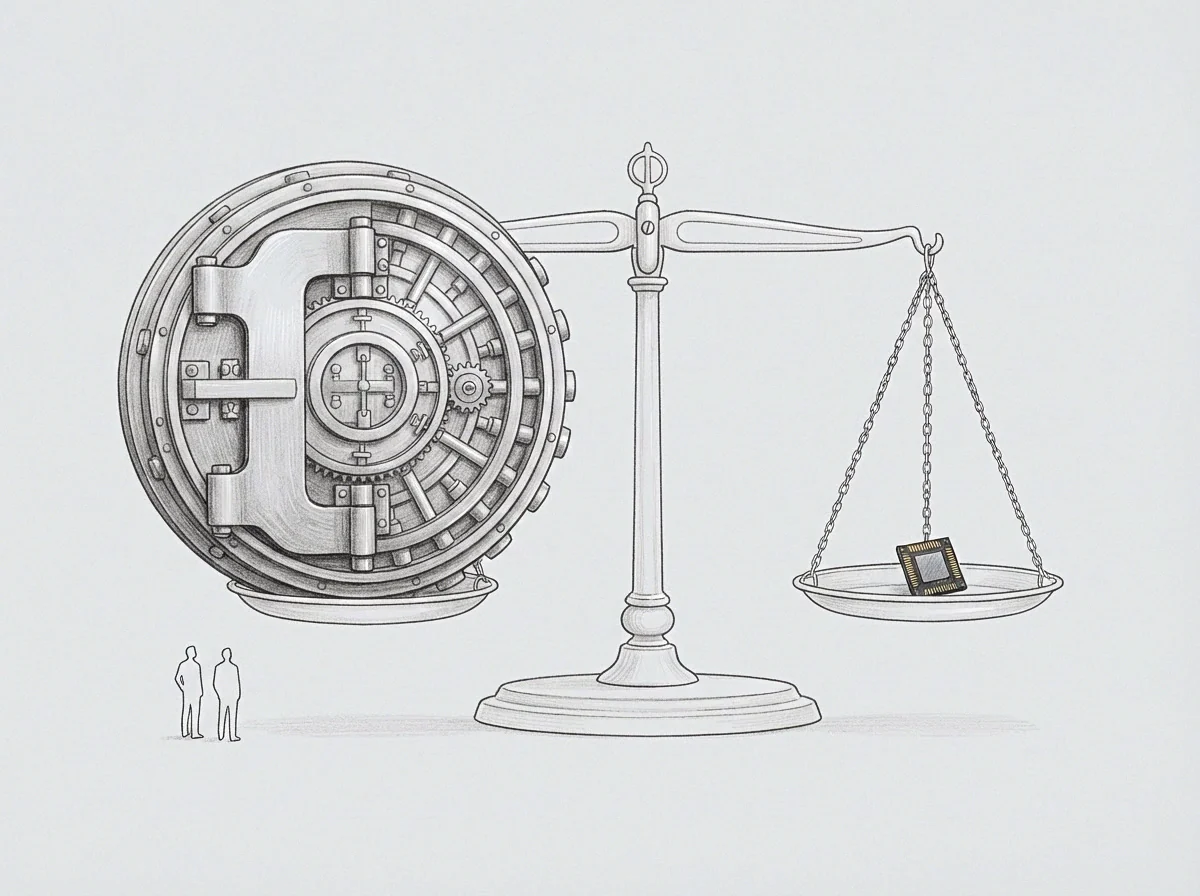
The limits of digital message timestamp metadata become apparent when technical verification meets legal doctrine. A forensically pristine timestamp confirms that a specific string of digital text entered a specific database table at an exact millisecond. It establishes chronological order, network routing path, device identification, and cryptographic integrity.
It proves what data moved through the system, and exactly when that movement occurred.

The Limits of Chronological Authenticity in Equity Claims
Technical verification cannot resolve qualitative legal questions surrounding contractual capacity, duress, ambiguous intent, or missing consideration. Litigants frequently mistake timestamps for contracts. A message stating that equity will be finalized soon, timestamped with atomic precision, remains an unenforceable statement of future intention if essential terms like valuation, vesting schedules, and governance rights are absent from the text.
Unwritten equity claims routinely collapse not from a failure of timestamp metadata, but from the legal insufficiency of the underlying message content. Forensic verification confirms the container, but equity examines the substance inside. Proving that an informal conversation occurred at midnight on a specific date leaves open whether the parties intended to bind themselves legally or were merely exploring hypothetical business arrangements.
The ultimate determination in equity litigation rests on synthesizing verified technical timelines with external behavioral evidence. Courts evaluate whether post-message conduct aligns with the claimed temporal sequence. When verified timestamps prove that a messaging exchange occurred prior to major work performance, yet subsequent corporate filings, tax documents, and banking records omit the claimant entirely, the temporal proof loses persuasive force against contradicting formal records.
When forensic analysis settles the physical transmission time of every message string down to the exact epoch millisecond, what standard remains to prove whether those messages represented a finalized meeting of minds or an unfinished negotiation?