

Cross-Border Contract Dispute Evidentiary Standards for Metadata
Cross-border contract dispute evidentiary standards for metadata evaluate system-generated transport logs and file properties to arbitrate message authenticity.
Cross-border contract dispute evidentiary standards for metadata evaluate system-generated transport logs and file properties to arbitrate message authenticity.

Establishing system log authenticity requires forensic bitstream preservation, cryptographic hash verification, and write-ahead transaction log analysis.

Ephemeral message spoliation transfers the evidentiary burden onto the destroying party through adverse inferences that enforce unwritten governance claims.

Authentication of ephemeral messaging archives requires verified hardware image extraction, SHA-256 hash chains, and operating system notification logs.

Digital chat logs serve as admissible evidence in board disputes to expose contemporaneous director knowledge, establish fiduciary breach, and contradict formal minutes.

Proving founder chat logs requires authenticating raw database metadata and classifying communications as non-hearsay verbal acts or opposing party admissions.
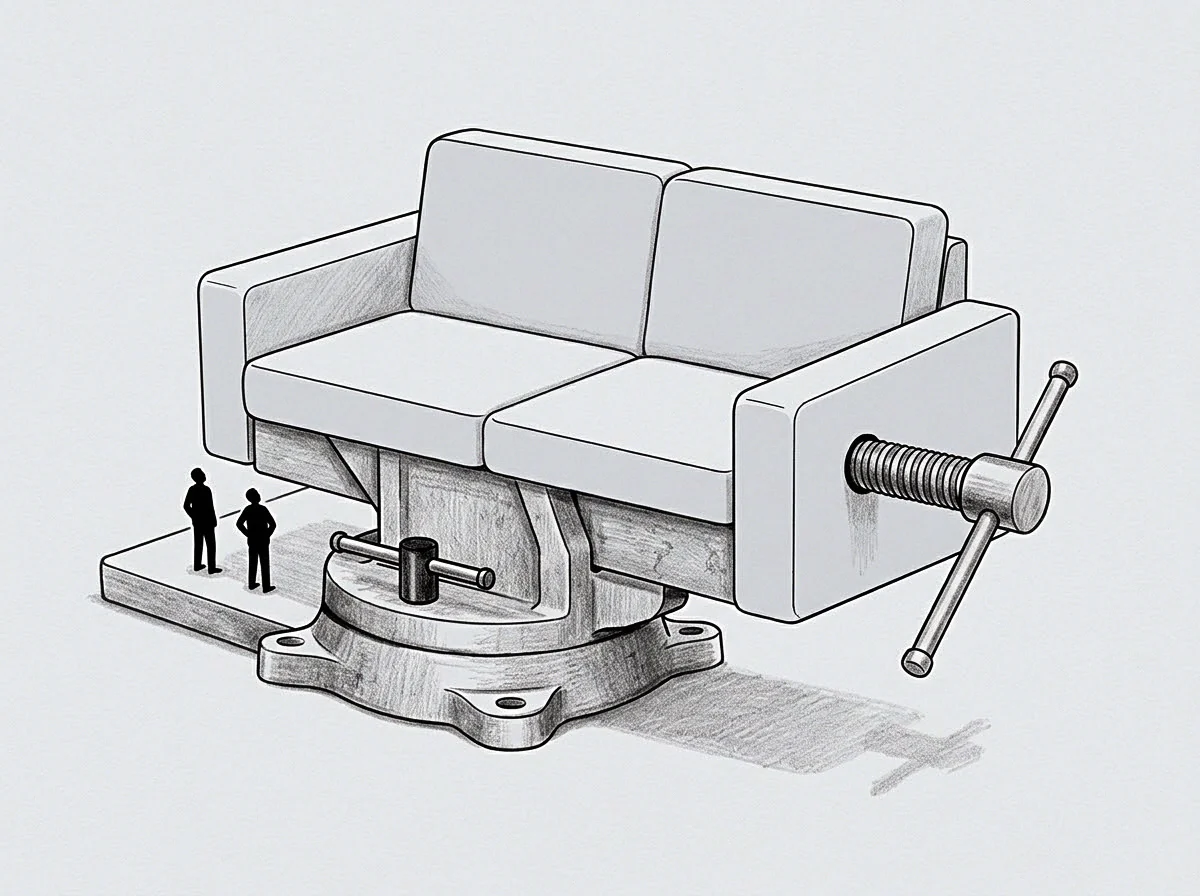
Informal messaging logs clear admissibility thresholds when forensic extraction establishes authenticity, metadata proves integrity, and contents demonstrate mutual assent.
The terms are written where they belong. Each field holds three desks, and every entry a desk writes raises the terms it uses, each term given a meaning, a mechanism and the places it appears. The record on these pages stays first person and hand made; the fields grow the nomenclature.