

Harmonizing Parol Evidence Restrictions with Forensic Electronic Timestamp Records
Parol evidence rules bar extrinsic terms that alter contracts, whereas electronic timestamps authenticate document timing and integrity without changing promises.
Parol evidence rules bar extrinsic terms that alter contracts, whereas electronic timestamps authenticate document timing and integrity without changing promises.

Contemporaneous records bypass express non-reliance disclaimers only when establishing fraud in the execution, conditions precedent, or specific intentional factual fraud.
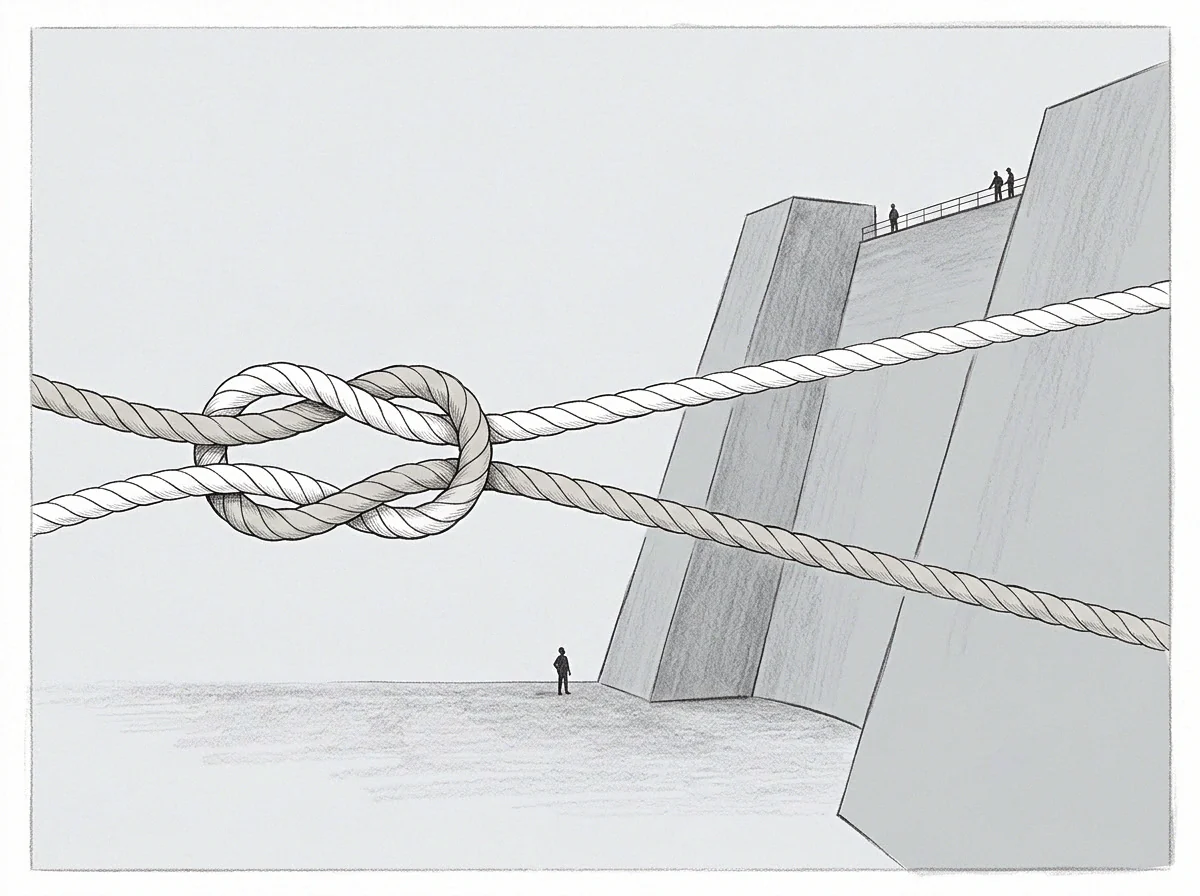
Merger clauses trigger integration, invoking the parol evidence rule to legally exclude contemporaneous negotiation logs from overriding unambiguous written text.

The parol evidence rule and merger clauses extinguish pre-contractual written notes, restricting enforceable terms to the four corners of the final contract.

Extrinsic negotiation records survive integration clauses only when explicitly incorporated by reference, attached as schedules, or admitted under narrow ambiguity exceptions.

Integrated written severance contracts extinguish historical informal creation customs through merger clauses unless explicit written carveouts preserve ownership.

A private digest anchor proves document existence at a set date but fails to prove mutual assent against a subsequent integrated vesting agreement.

Verifying cryptographic roots across memorandum revisions matches file digests to timestamps, confirming text integrity without proving mutual consent.

Unanchored equity claims deteriorate during valuation disputes because institutional financing forces written corporate records to displace unrecorded verbal promises.

Enforcing promissory estoppel against an integrated contract demands clear, contemporaneous documentation of unequivocal reliance that bypasses the merger text.

A written integration clause enforces signed equity terms by legally barring prior oral promises and unrecorded equity agreements from contradicting the final contract.

Contemporaneous written records preserve initial equity agreements while uncompensated labor creates restitution claims under unjust enrichment doctrine.
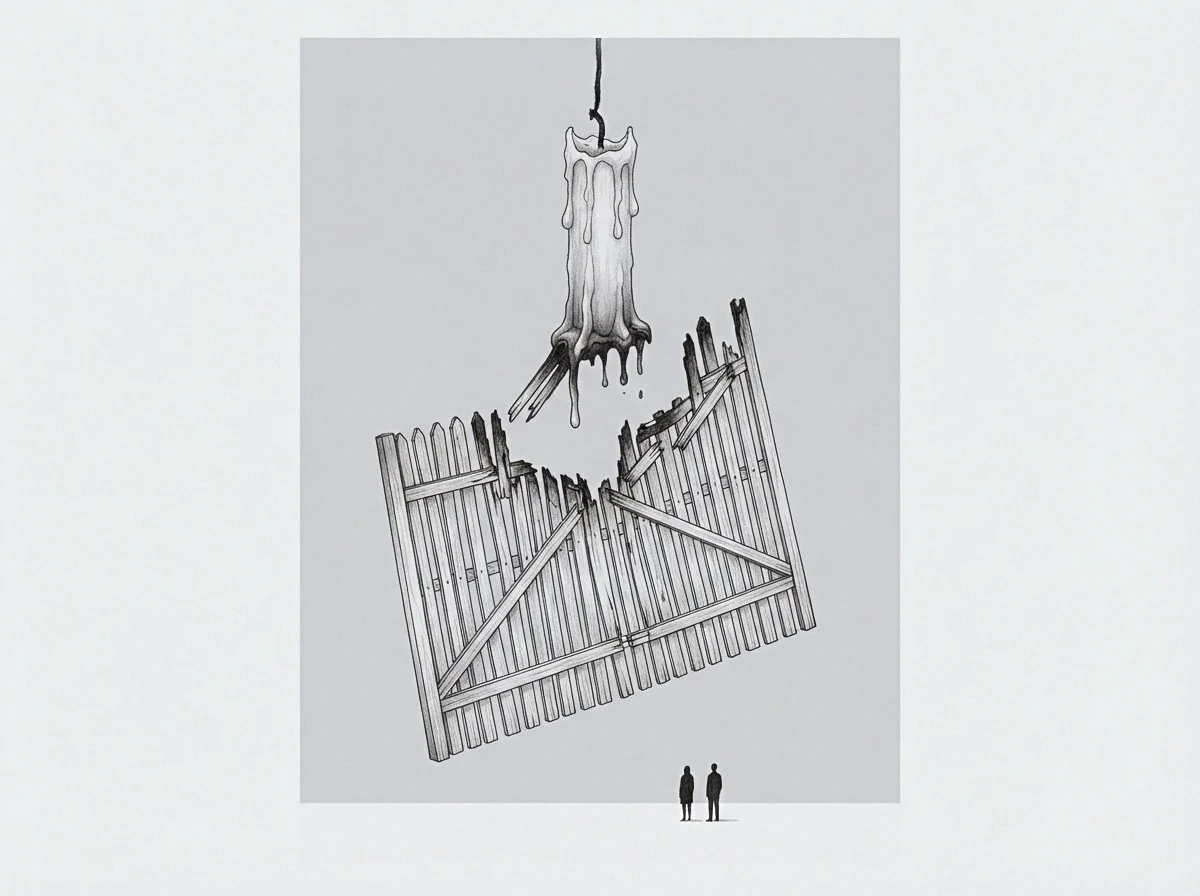
Fragmented digital communications prove operational activity and task completion but lack the definitive legal terms required to enforce contested equity claims.

Corporate equity splits remain bound to executed capitalization records, requiring formal recapitalizations or mutual releases to settle informal labor promises.

Unwritten scope liabilities are calculated by isolating undocumented labor from baseline contract schedules and valuing the effort through quantum meruit.

A structured audit normalizes fragmented digital traces chronologically to replace divergent contract recollections with verifiable contemporary execution records.

Ephemeral messaging in seed governance dissolves contemporaneous assent, allowing contract integration clauses and memory drift to override informal founder terms.

When corporate records stay silent, irreconcilable partner recollections resolve only through negotiated releases or restructuring claims under objective documentary proxies.

Statutory parol evidence rules bar unrecorded oral indemnities when fully integrated written contracts govern the transaction without surviving side terms.

Informal chat records establish contributor intent, which formal grant documents reconcile by defining capitalization bases, vesting, and dilution terms.

An integration clause excludes prior extrinsic promises, yet unmanaged digital communications survive to prove fraudulent inducement or clarify ambiguous terms.

Integrated equity operating agreements exclude prior informal digital artifacts unless post-signing records strictly meet contractual amendment formalities.

Promissory estoppel requires clear proof of definitive terms, corporate authority, and quantifiable injury, which standard financing agreements extinguish.

A four-corners integration clause extinguishes prior verbal equity agreements by legally barring extrinsic evidence under the parol evidence rule.
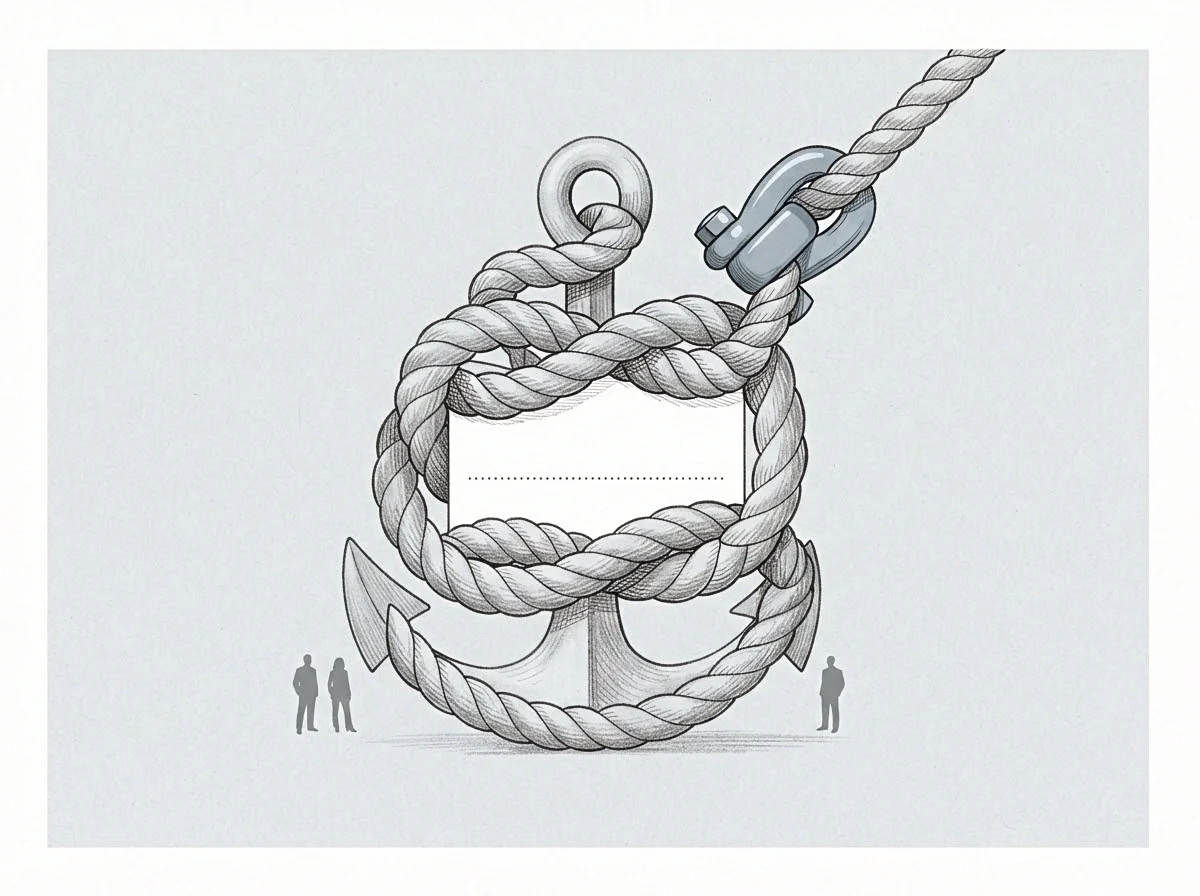
Written integration clauses extinguish prior oral promises by legally confining enforceable commercial obligations to the plain text of the signed agreement.

Commercial courts evaluate extrinsic documentary evidence by matching items against specific carve-outs, applying contractual estoppel to unlisted documents.

Contemporaneous documentation of intentional factual misstatements pierces generic contractual merger clauses by proving fraud in contract inducement.

Non reliance clauses bar extra-contractual dispute claims by establishing contractual estoppel against reliance on pre-closing statements.

Delaware courts enforce unintegrated preformation memoranda in LLC economic disputes when contemporaneous writings prove mutual assent to definite split terms.

Delaware tribunals enforce objective contract terms, evaluating contemporaneous negotiation records over retrospective testimony when interpreting ambiguous text.
The terms are written where they belong. Each field holds three desks, and every entry a desk writes raises the terms it uses, each term given a meaning, a mechanism and the places it appears. The record on these pages stays first person and hand made; the fields grow the nomenclature.