Meaning
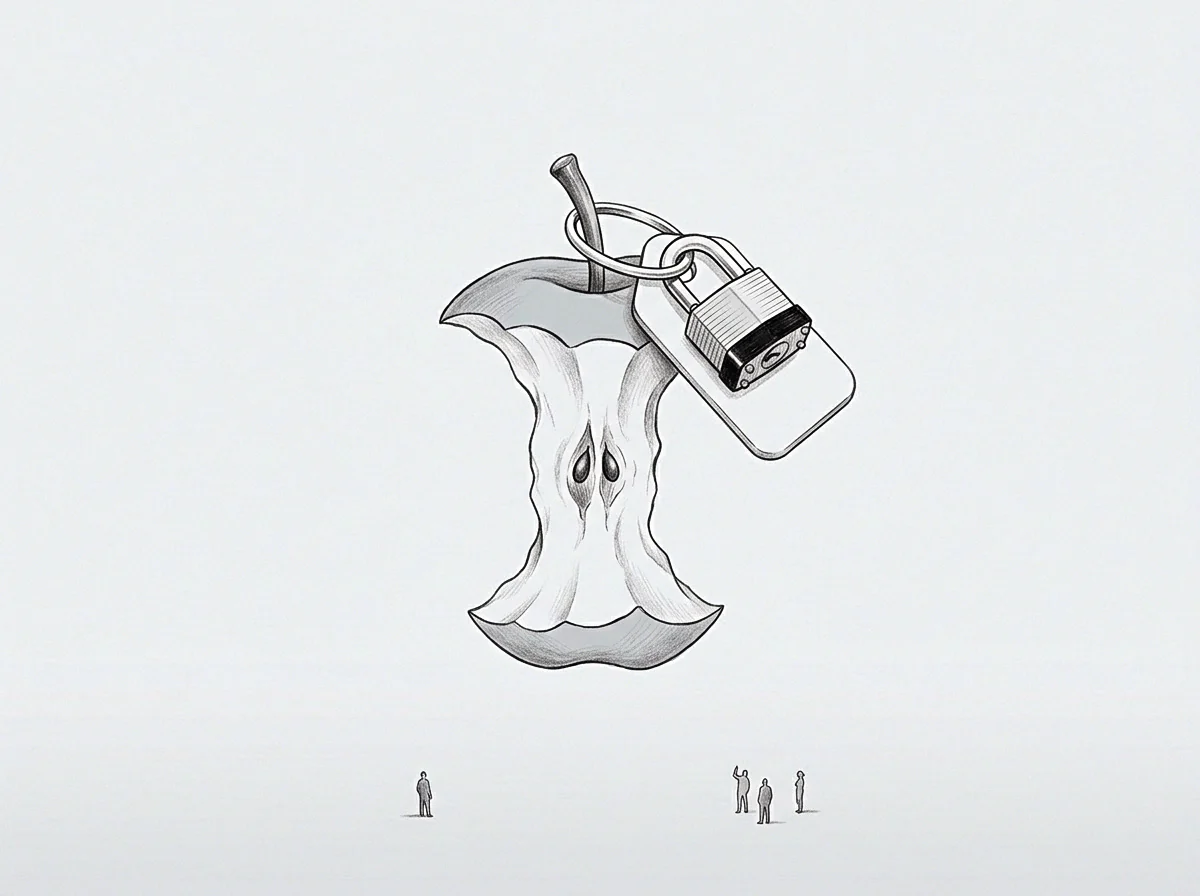
Operational pauses prevent any changes to the fundamental organization, shareholding, or asset base of a company during a period of transition or dispute. A structural freeze is often imposed by a court or agreed upon by founders to maintain the status quo while a larger conflict is resolved. It governs the ability of the board to issue new shares, sell significant assets, or alter the articles of association.
The freeze stops applying when the underlying dispute is settled or when a specific date mentioned in the agreement passes.
Asset Preservation
The primary purpose of a structural freeze is to ensure that the value of the company is not dissipated while the owners are in conflict. It prevents one party from taking unilateral action that would permanently change the nature of the business. This restriction protects the interests of all shareholders by keeping the entity in its current state.
The cost of the freeze is the missed opportunity to adapt to market changes.
Decision Limitation
Routine management continues during a structural freeze, but strategic shifts are prohibited. The board of directors may still pay bills and fulfill existing contracts, but they cannot enter into new long-term obligations that would reshape the company. This distinction between daily operations and structural changes is recorded in the minutes of board meetings.
Any violation of the freeze can lead to legal penalties and the reversal of the unauthorized act.
Temporal Limit
Most freezes are designed to be temporary measures that last only as long as necessary to reach a settlement. A structural freeze that lasts too long can lead to the slow death of the company as it falls behind competitors. The record of the freeze should include a clear end date or a set of conditions that will trigger its lifting.
This boundary ensures that the paralysis does not become a permanent state for the entity.