Meaning
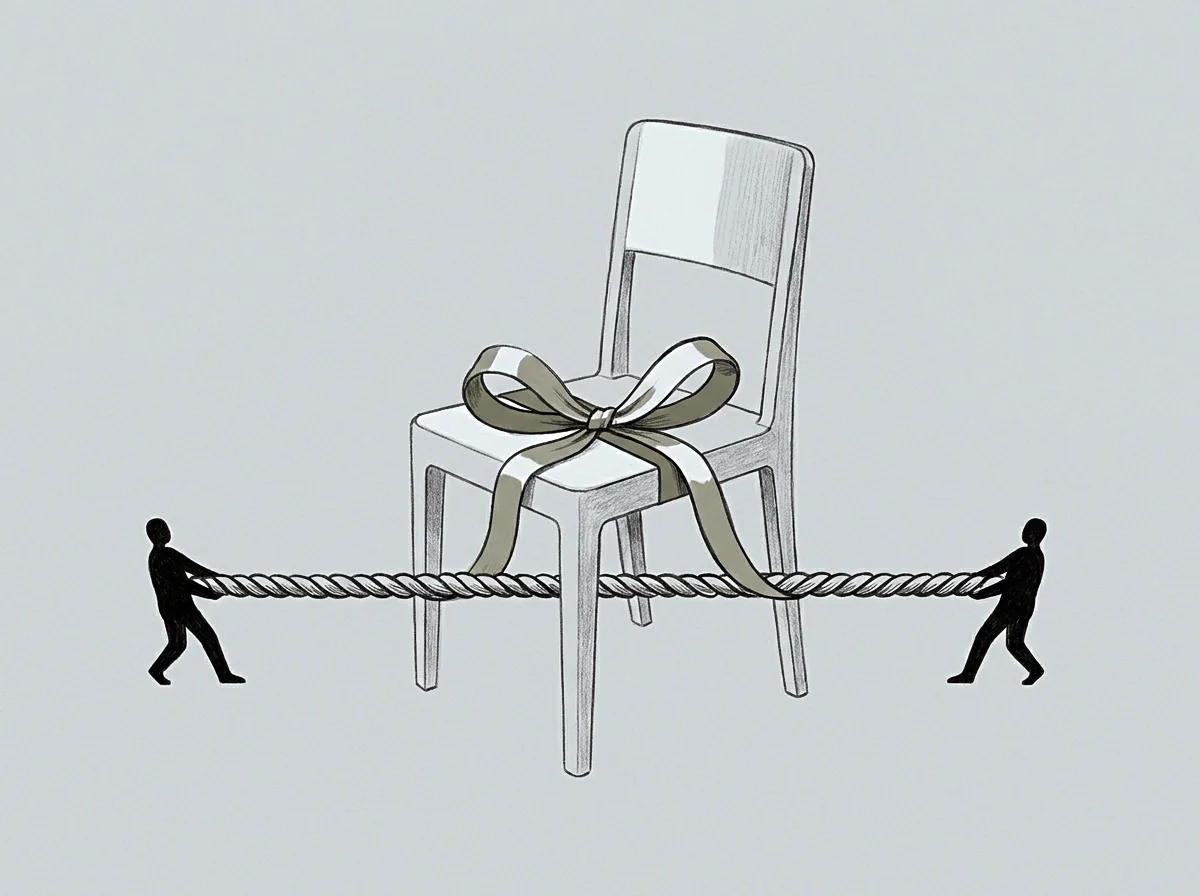
A governance failure arises when a decision-making body is divided so evenly that it cannot approve any resolution or take meaningful action. The condition of corporate stalemate typically occurs in companies with two equal shareholders or a board with an even number of members who hold opposing views. It governs the internal stability of the entity and measures the degree of operational paralysis.
The state ends when a tie-breaking mechanism is activated, a member changes their vote, or a court orders the dissolution of the company.
Operational Friction
The inability to reach a consensus halts the execution of long-term strategy and daily management tasks. A corporate stalemate prevents the approval of budgets, the hiring of senior staff, and the distribution of dividends. This blockage drains the attention of the leadership and can lead to a decline in market value.
The cost of the impasse is measured in the hours spent on circular arguments rather than productive work.
Resolution Clause
Formal agreements often include specific instructions for breaking a tie. When a corporate stalemate persists, the parties may be forced to use mediation or a shotgun clause that requires one founder to buy out the other. These provisions provide a structured exit from a situation that would otherwise remain frozen.
The absence of such clauses often leads to expensive and public litigation.
Final Dissolution
If no internal remedy works, the legal system may view the entity as incapable of functioning. A prolonged corporate stalemate can be grounds for a judge to appoint a receiver or wind up the business entirely. This outcome is the ultimate consequence of a total breakdown in the relationship between founders.
The record of failed votes and deadlocked meetings provides the evidence required for this irreversible act.