Meaning
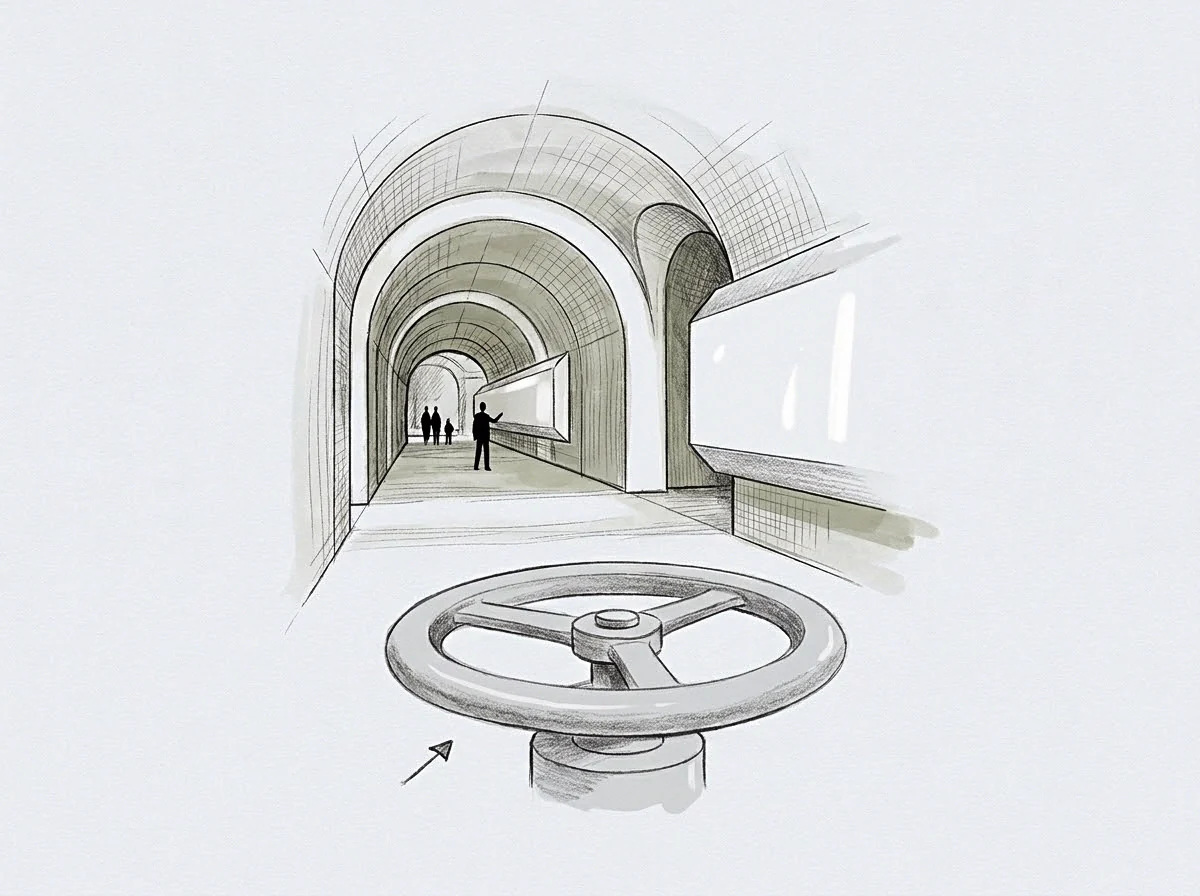
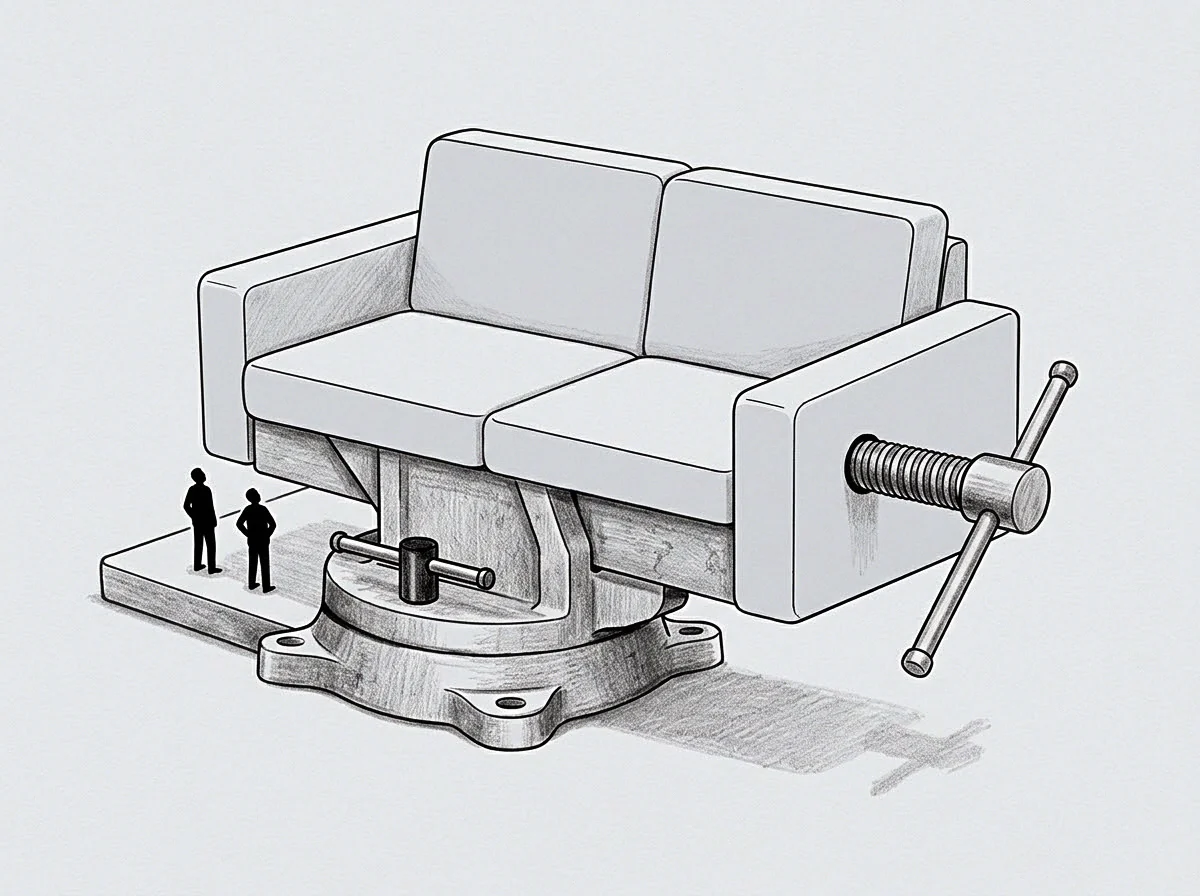
The breakdown of the systems and processes intended to direct and control an organization represents a significant risk to its long-term viability. A governance failure occurs when the mechanisms of oversight, such as board meetings or financial audits, stop functioning as intended. This state is characterized by a lack of accountability and the bypass of established decision-making protocols.
When the rules are ignored, the firm loses its ability to protect the interests of its stakeholders.
Oversight Erosion
Inadequate reporting often precedes a total collapse of authority. If a board does not receive accurate data, it cannot perform its fiduciary duty. The absence of a formal record of dissent during meetings shows that the check on executive power has weakened.
Systemic Risk
Organizations that prioritize speed over process frequently encounter these structural gaps. A founder might make a unilateral decision that contradicts the bylaws, creating a legal liability that remains hidden until a crisis occurs. This lack of coordination leads to a waste of attention and resources.
Recovery Requirement
Restoring order involves the reimplementation of strict reporting lines and the appointment of independent observers. It is often more costly to repair a damaged system than to maintain a functional one from the start. Documentation is the only way to prove that the ship has been righted.