Meaning
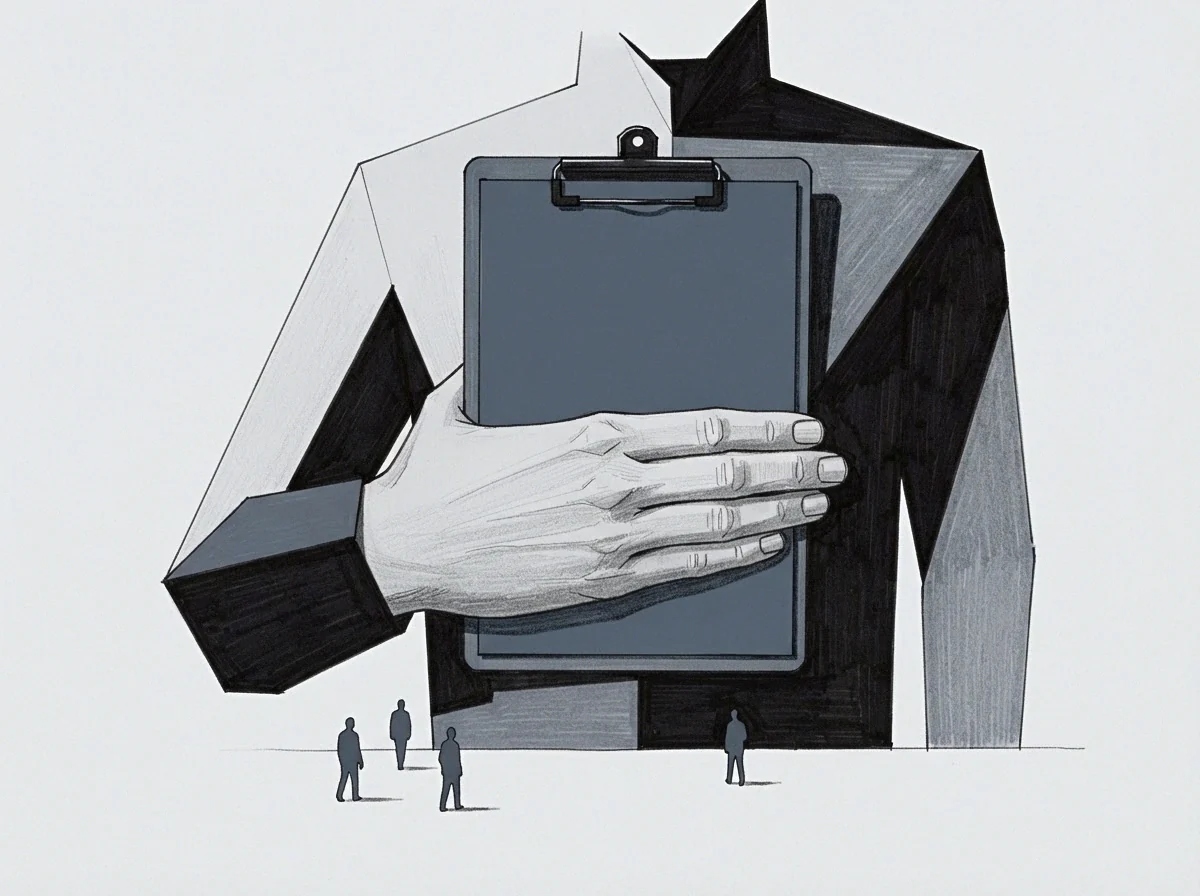
The legal termination of a business entity by a court or administrative authority against the wishes of its management or owners. This involuntary dissolution often occurs due to a failure to file annual reports, pay taxes, or adhere to the fundamental rules of the jurisdiction. It effectively ends the existence of the company as a legal person.
The state exercises this power to maintain the integrity of its business register.
Administrative Penalty
Failure to maintain the basic requirements of corporate existence leads to a loss of standing. An involuntary dissolution typically starts with a notice of delinquency from the government. If the entity does not rectify the error within a set window, the regulator revokes its charter.
This act strips the entity of its right to sue or defend itself in court.
Judicial Order
A court may step in to end a company when the shareholders are deadlocked and the business can no longer function. The process of involuntary dissolution in this context provides a way out of a toxic relationship that threatens the assets of the firm. A judge weighs the interests of the creditors and the public against the rights of the owners.
It is a remedy of last resort.
Once Liquidation
Once the decree is issued, the entity must stop its normal operations and begin the process of winding up. During an involuntary dissolution, the assets are sold to pay off debts before any remaining funds go to the shareholders. This sequence is strictly controlled by law to ensure that no creditor is unfairly bypassed.
The finality of the act is absolute.