
Evidentiary Admissibility Of Oral Promises In Commercial Disputes
Written contract integration bars oral promises unless extrinsic evidence proves independent collateral agreements, fraudulent inducement, or estoppel.
Written contract integration bars oral promises unless extrinsic evidence proves independent collateral agreements, fraudulent inducement, or estoppel.
Unanchored partner communications lose evidentiary value over time because human memory reconstructs past agreements to align with present incentives.
Integrated written recitals legally exclude subjective retrospective recollection to enforce objective contractual intent in commercial disputes.
Written transition verification records bind verbal executive promises to dated deliverables, preventing recollection divergence when leadership seats change.
Evidentiary proof for informal equity and labor claims requires contemporaneous artifacts that overcome statutory formalities and demonstrate reliance.
Unilateral records establish contemporaneous internal intent but cannot substitute for bilateral consent when a counterparty explicitly refuses retroactive approval.

Contemporaneous written records replace stress-induced memory reconstruction with immutable temporal evidence, extinguishing cognitive bias in contract disputes.

Translating visceral risk signals into documented terms converts subjective physiological warnings into binding contractual liability protections.
Cryptographic timestamping hashes unilateral equity agreements onto immutable ledgers to prove creation dates and prevent retrospective memory drift in disputes.

Contemporaneous records defeat retrospective equity claims by anchoring stated terms and dates in unalterable digital storage before memory drift occurs.
Tribunals reconcile conflicting forensic metadata and oral testimony by classifying parol evidence rules as substantive law within choice-of-law frameworks.

Somatic threat detection provides immediate neuroceptive risk indicators, whereas legally binding written commitments establish immutable objective proof.
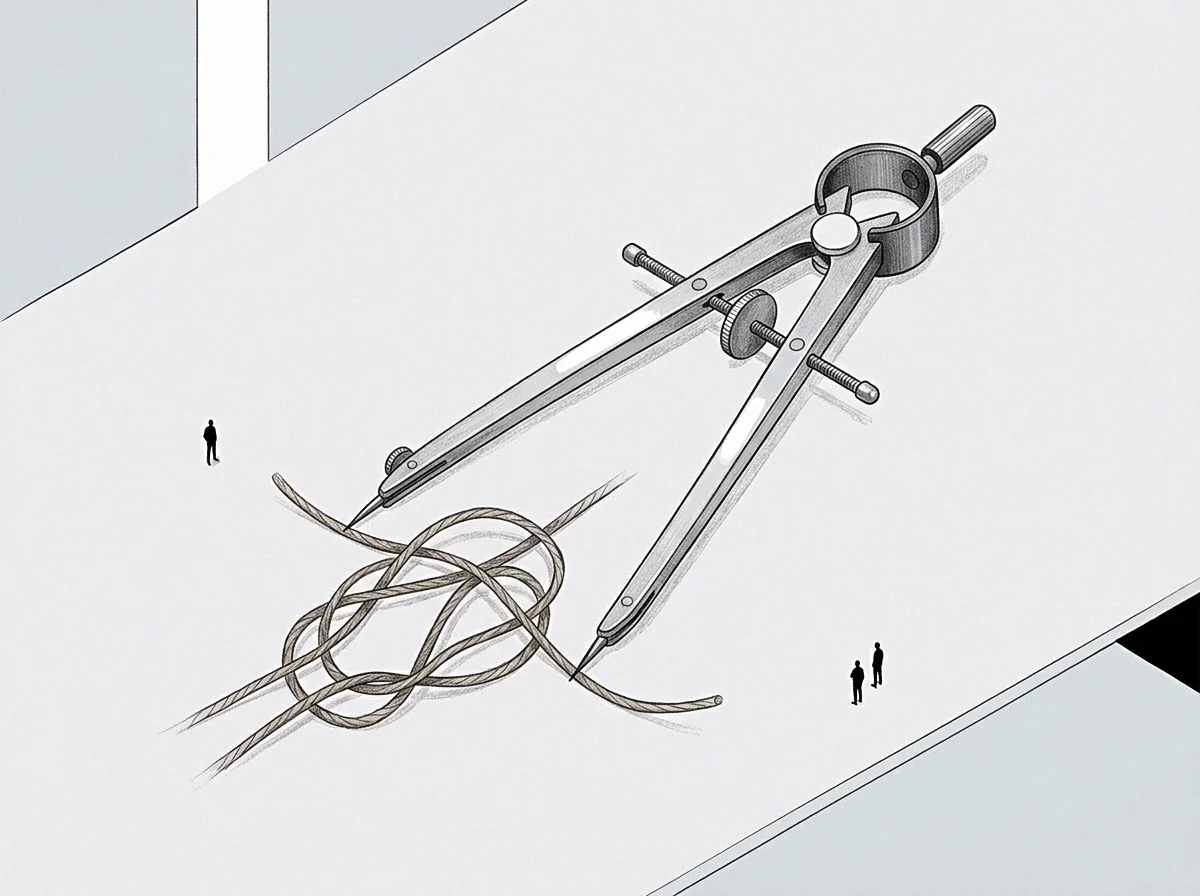
Contemporaneous unadjustable notes prevent reconstructive memory drift and establish an immutable factual timeline during active cofounder disputes.

Timestamped documentation systems resolve founder recollection disputes by anchoring initial commitments to unalterable cryptographic logs.
The terms are written where they belong. Each field holds three desks, and every entry a desk writes raises the terms it uses, each term given a meaning, a mechanism and the places it appears. The record on these pages stays first person and hand made; the fields grow the nomenclature.