
Cryptographic Proof In Commercial Contract Integration Clauses
Cryptographic integration clauses bind external technical payloads to legal contracts by embedding immutable hash digests directly into four-corners merger terms.
Cryptographic integration clauses bind external technical payloads to legal contracts by embedding immutable hash digests directly into four-corners merger terms.
Verifying oral contract modifications requires hashing contemporaneous written summaries and anchoring the signed digests into an immutable distributed ledger timestamp.
A cryptographically anchored audit trail hashes canonical log entries into Merkle trees and commits the root to a public ledger for legal authentication.
Cryptographic hashing and public timestamping anchor early equity agreements to prevent retroactive altering of disputed cap tables during arbitrations.
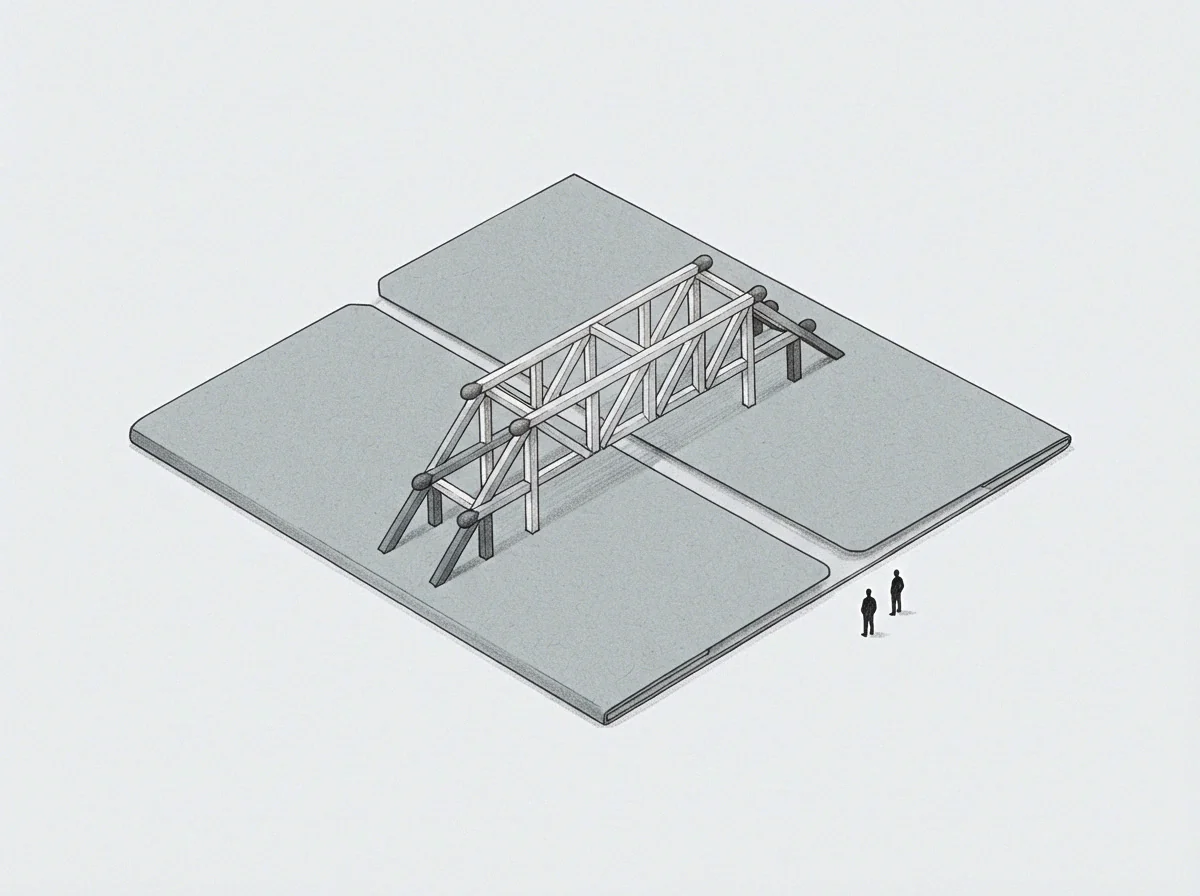
Ledger anchored hash digests establish threshold electronic data integrity in arbitration when supported by contemporaneous witness testimony and key management logs.
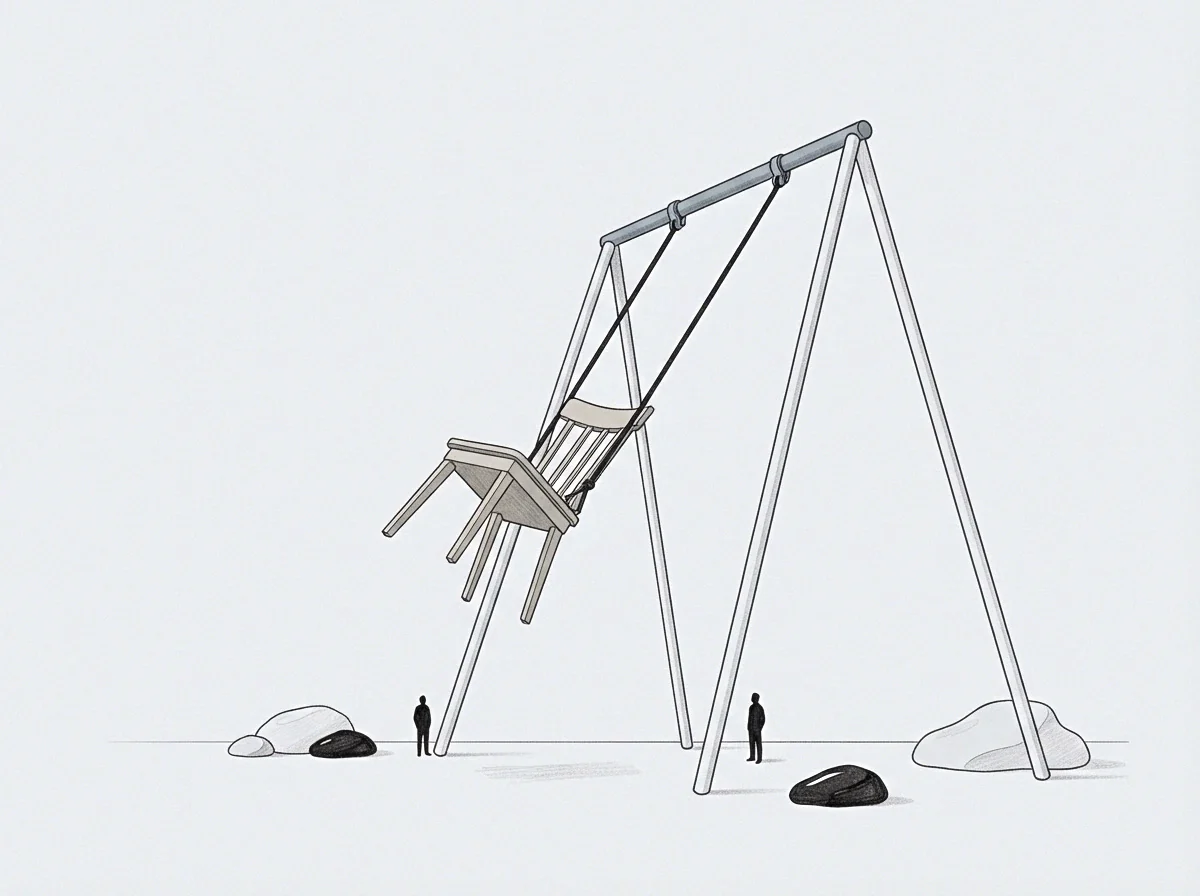
Verifying cryptographic roots across memorandum revisions matches file digests to timestamps, confirming text integrity without proving mutual consent.
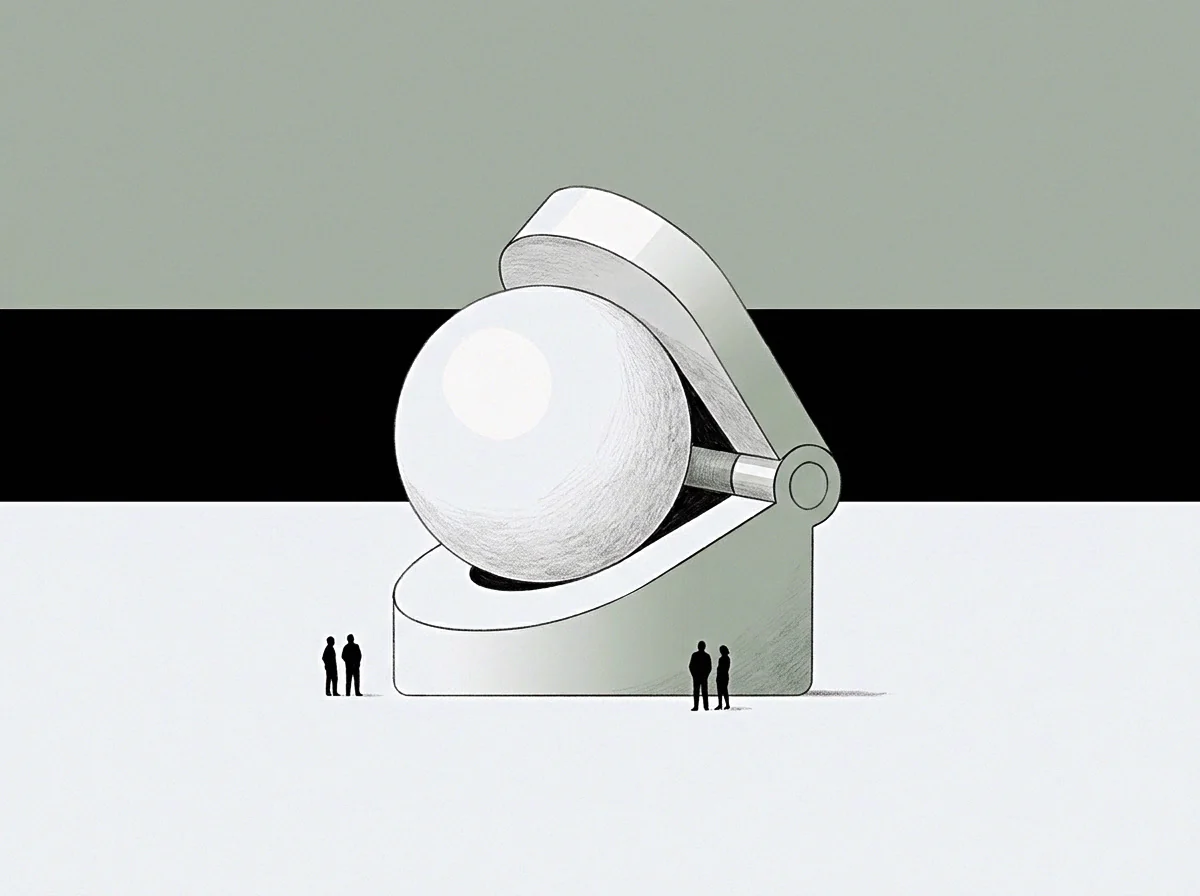
Decentralized timestamps establish authentic proof of data existence at a verifiable hour but cannot prove functional compliance or contractual delivery.
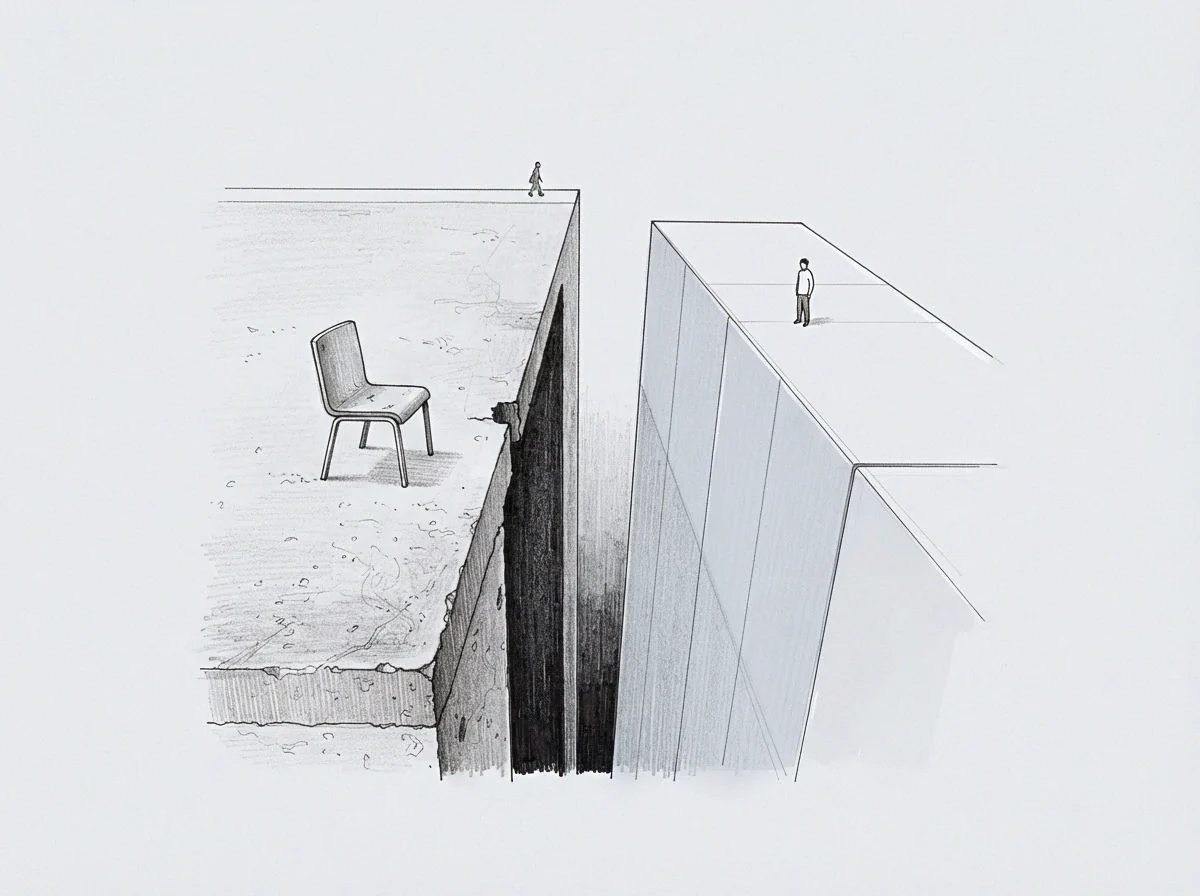
Decentralized anchors maintain evidentiary integrity after protocol forks by proving Merkle path inclusion back to the pre-divergence shared ledger root.
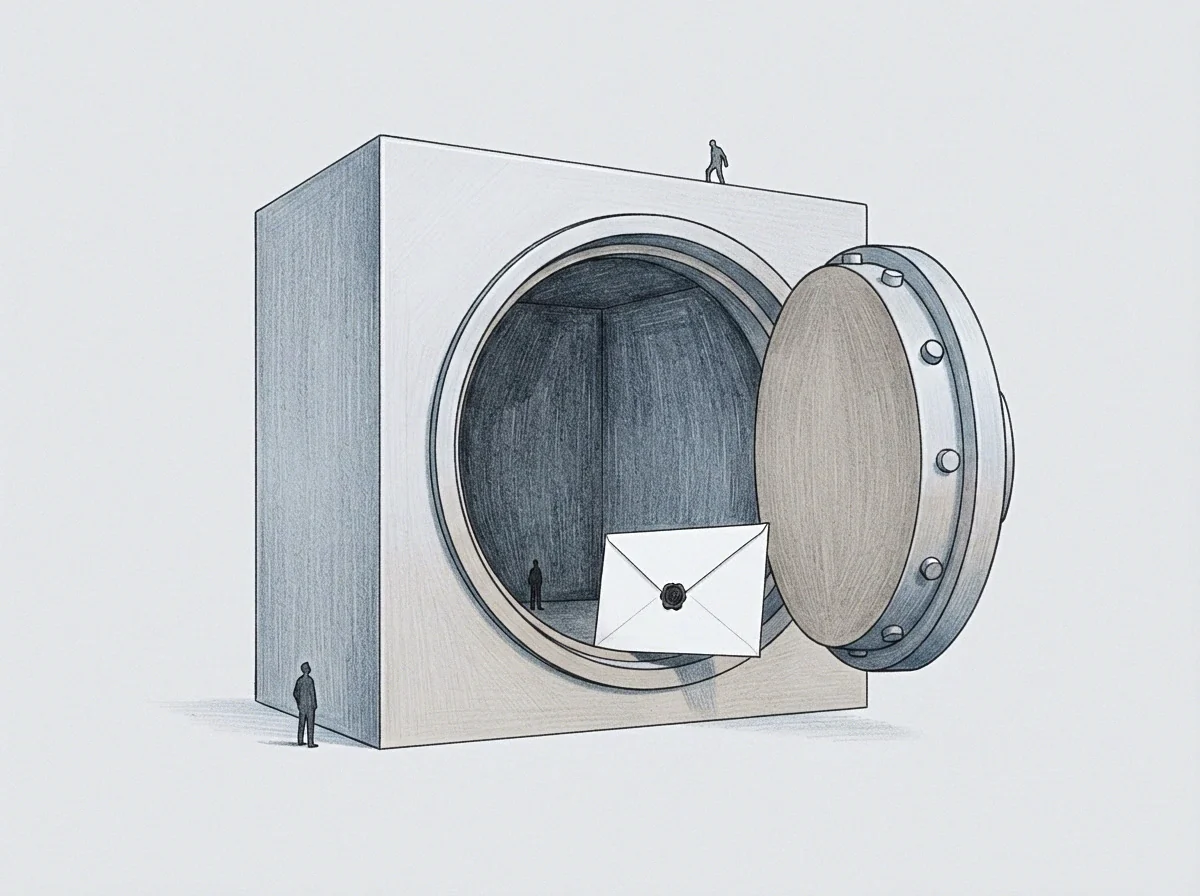
Cryptographic timestamping hashes unilateral equity agreements onto immutable ledgers to prove creation dates and prevent retrospective memory drift in disputes.
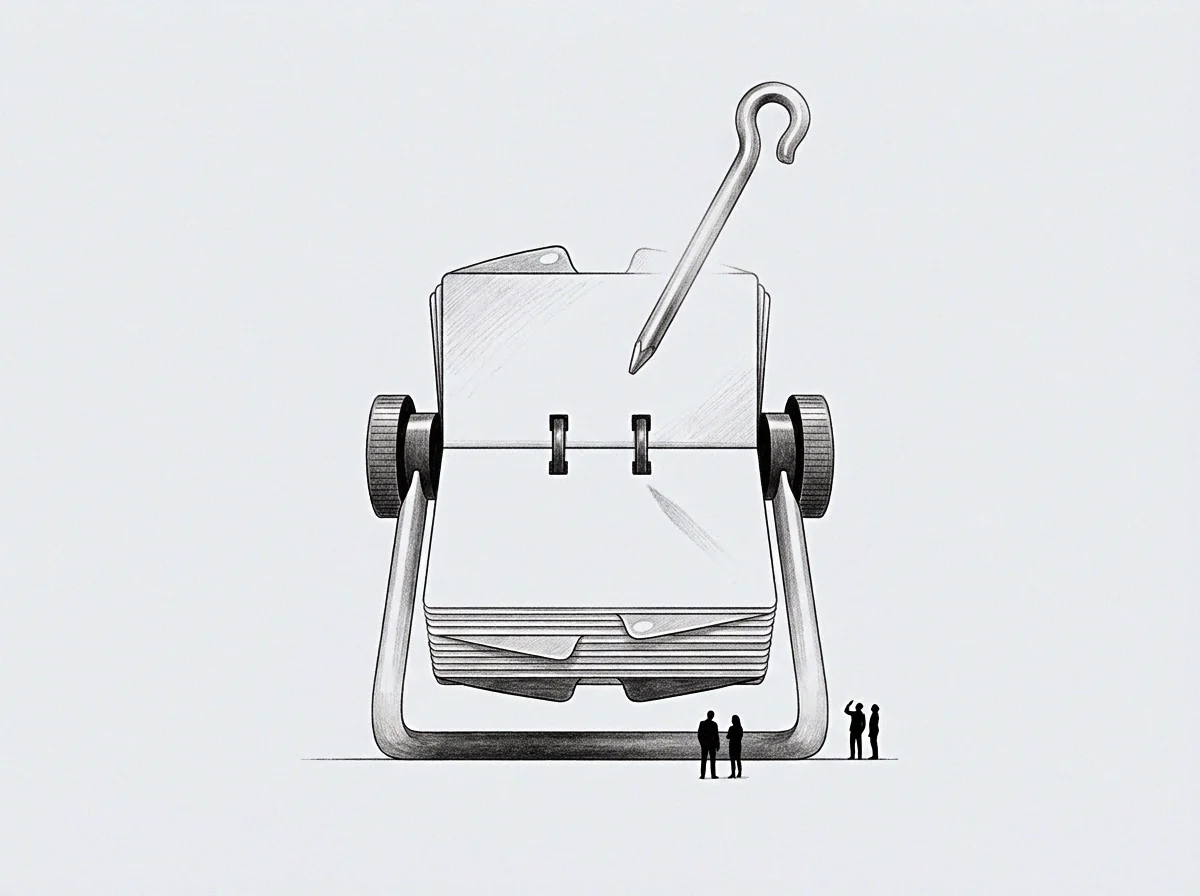
Cryptographic timestamping binds deterministic document hashes to independent time sources, proving file integrity and existence without relying on local clocks.
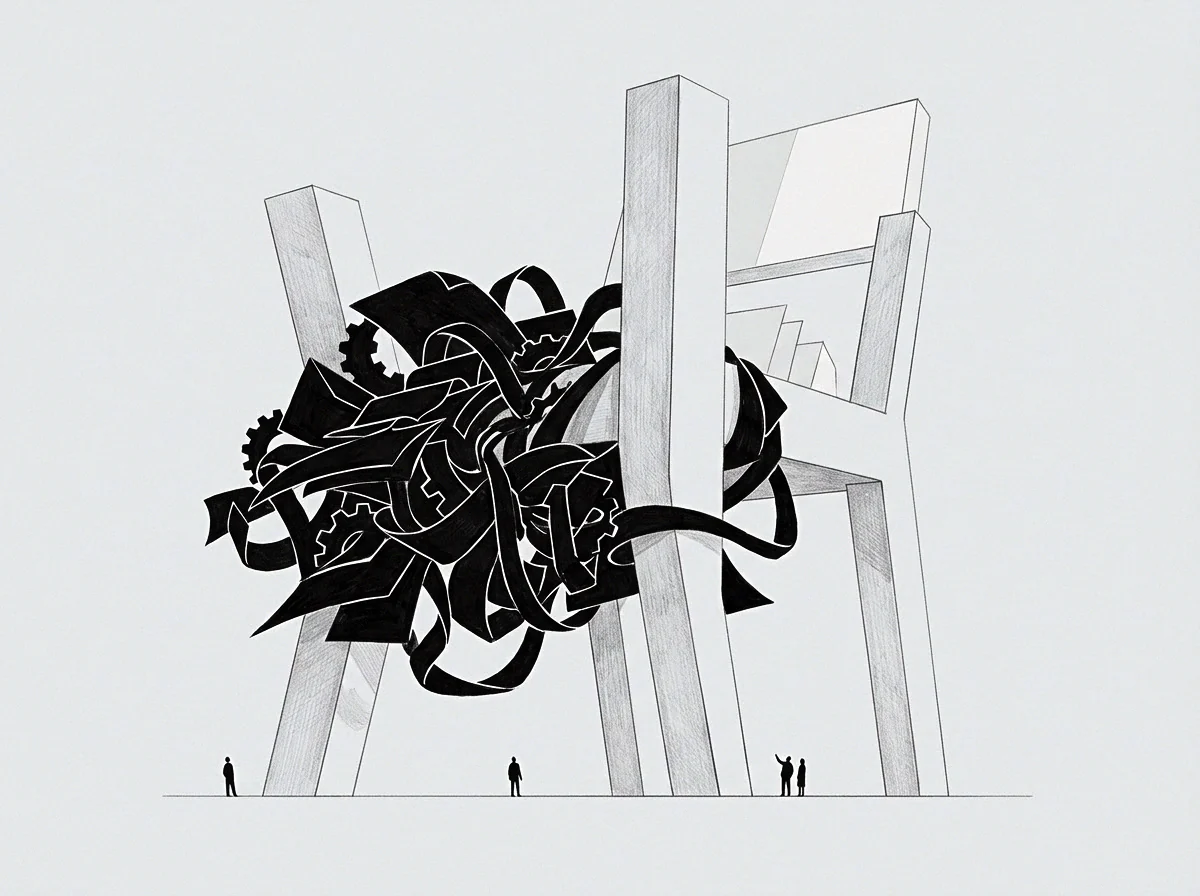
Cryptographic baseline logs freeze early team agreements into immutable timestamped digests, preventing memory drift and establishing unalterable sequence proof.
The terms are written where they belong. Each field holds three desks, and every entry a desk writes raises the terms it uses, each term given a meaning, a mechanism and the places it appears. The record on these pages stays first person and hand made; the fields grow the nomenclature.