Meaning
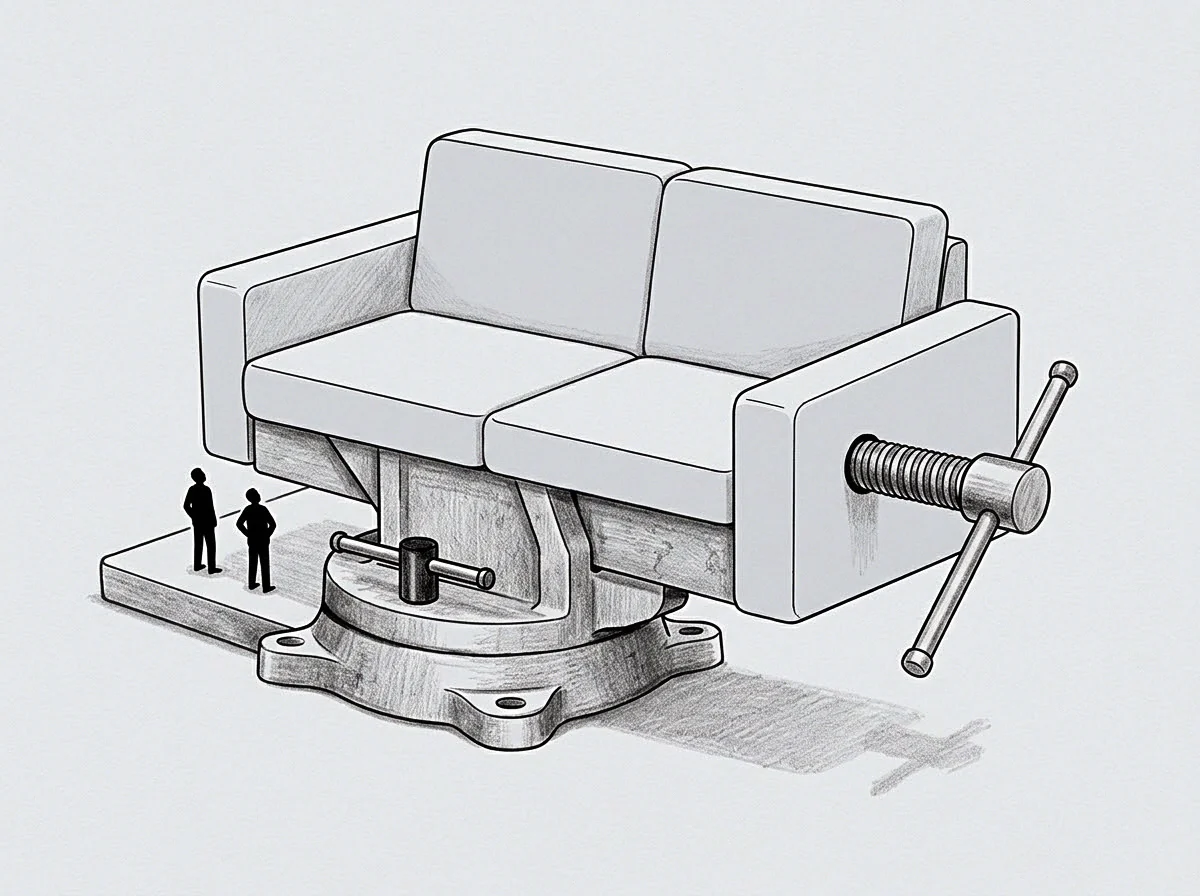
Condition of equality in decision-making power or equity distribution among the original owners of a venture. Maintaining partner parity ensures that no single individual can unilaterally change the direction of the company or the terms of the founding arrangement. It relies on a structure where votes or rights are balanced to prevent a majority from ignoring the interests of a minority.
This state is the default expectation in many early stage partnerships.
Structural Balance
Alignment of incentives is easiest to manage when all participants hold a similar stake in the outcome. When partner parity exists, the cost of a mistake is shared equally. This symmetry prevents the formation of internal factions.
It is a stabilizing force.
Post-Exit Erosion
Pressure on the equal distribution of power often increases after the first major milestone or the departure of a founding member. As the venture matures, the original partner parity might be traded for capital or specialized expertise. New investors often demand a priority that disrupts the initial balance.
This transition marks the end of the founding era and the start of institutional governance.
Governance Stability
Rules that protect the rights of equal partners are usually found in the shareholder agreement or the corporate bylaws. These documents use partner parity to define the quorum required for a board meeting and the percentage of votes needed for a fundamental change. Without these protections, a single founder might find themselves sidelined in a company they helped build.
This outcome is common when the record of the original arrangement is weak or when the initial promises were never translated into a formal legal structure. A clear rule prevents the sudden loss of influence.