Meaning
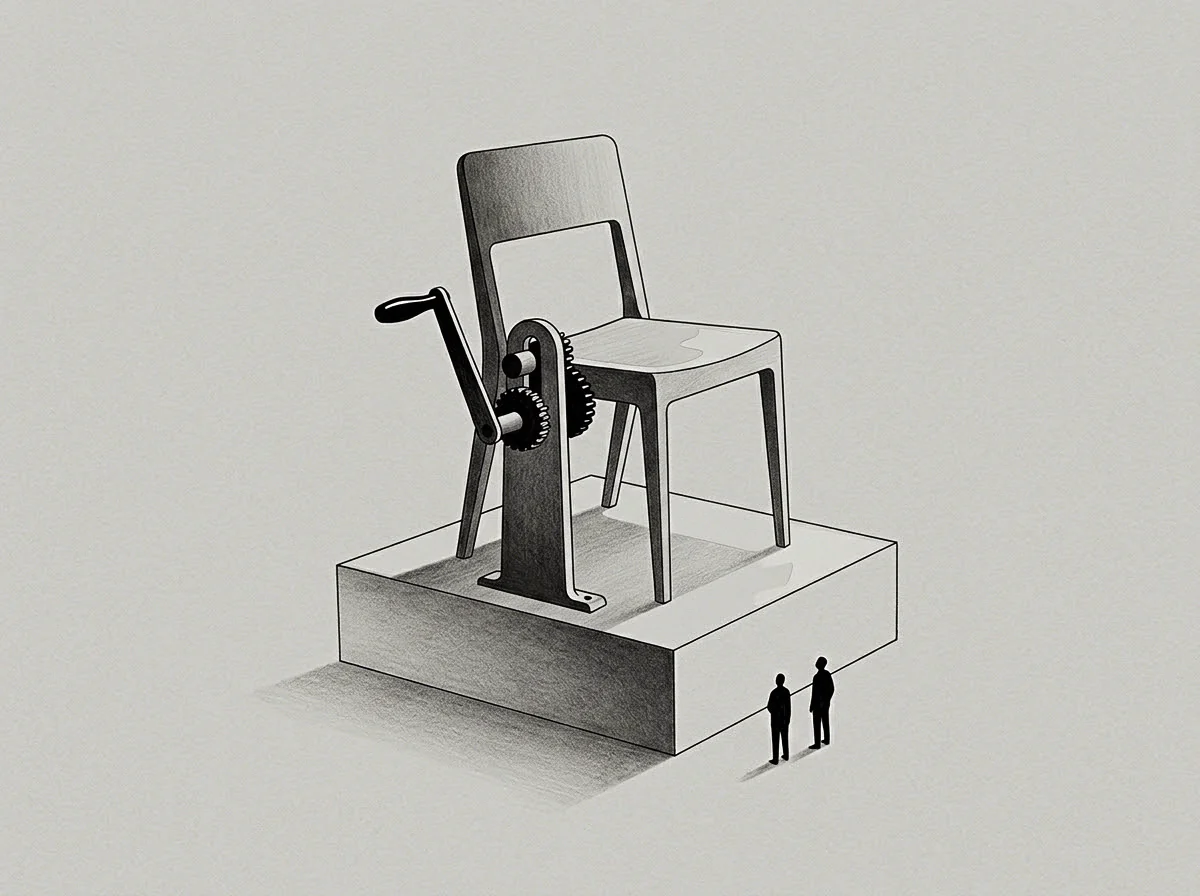
Engineering capacity represents the multiplier by which initial software architecture limits or multiplies future organizational output per unit of engineering hours expended. Technical leverage operates as this structural multiplier, determining whether subsequent feature additions require linear additions of headcount or scale through existing code abstractions. The boundary of this mechanism stops at the point where system complexity exceeds the cognitive load required to modify it safely.
Architecture Decay
Codebases accumulate entropy through repeated patching under commercial pressure. Technical leverage degrades as undocumented dependencies multiply across internal services. Engineers spend hours untangling implicit state changes rather than shipping functional logic.
System latency rises while team velocity drops toward zero.
Cost Distribution
Architectural decisions shift resource allocation from product creation to infrastructure maintenance. Teams holding high technical leverage deploy updates daily with minimal regression testing. Organizations carrying low technical leverage require large testing departments to catch regressions manually.
Financial burnout follows when engineering payroll scales directly with revenue growth instead of decoupling through automation.
Systemic Constraint
Technical debt acts as an irreversible tax on every future engineering decision. Adding features to a poorly abstracted module consumes twice the capacity of a clean design. Refactoring schedules displace product development entirely when structural neglect reaches terminal velocity.
Software architecture dictates the ultimate ceiling of commercial expansion.