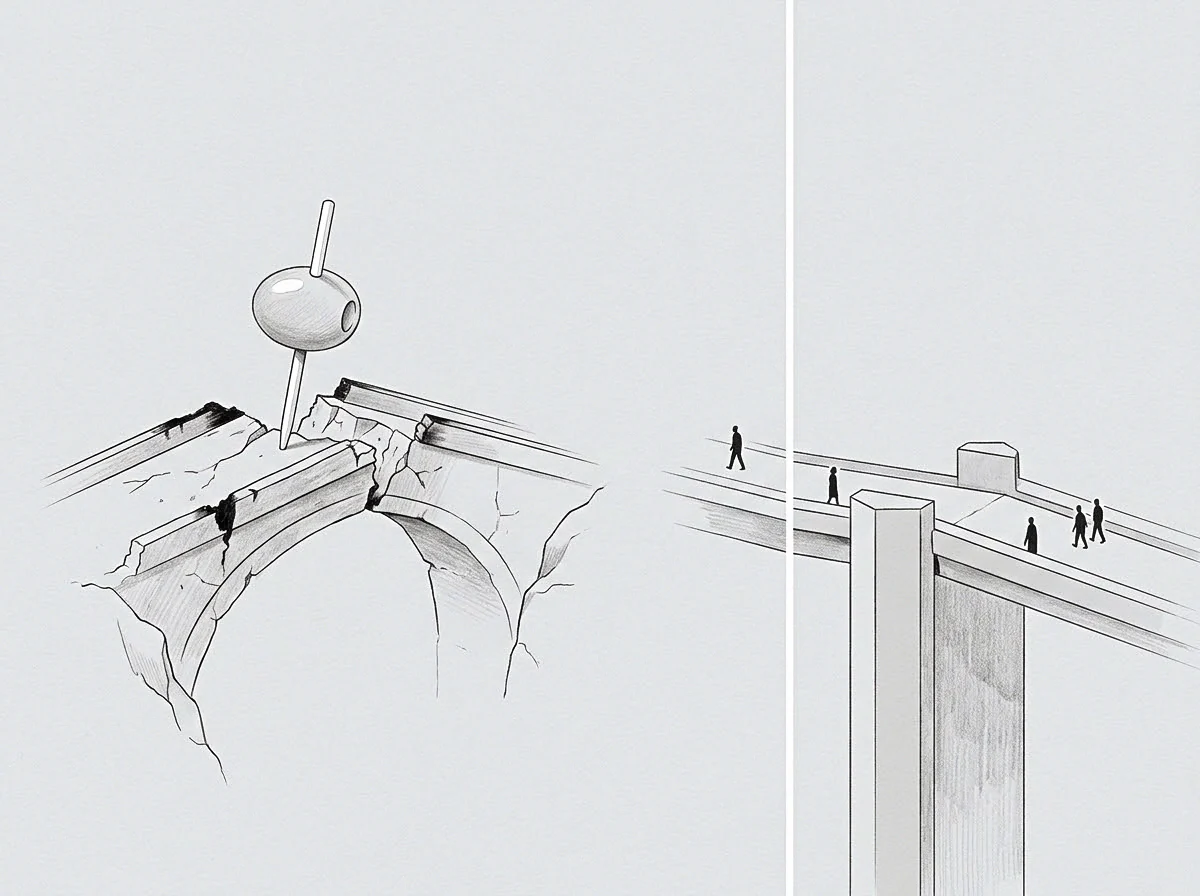
Meaning
Workforce structures increasingly feature arrangements where service providers operate without long-term contracts, fixed locations, or exclusive ties to a single employer. The rise of unanchored labor reflects a transition toward on-demand task completion rather than traditional salaried employment. This model allows firms to scale their workforce quickly while shifting the burden of overhead and benefits to the workers themselves.
Operational Flexibility
Organizations can adapt to changing market demands by utilizing flexible staffing arrangements. Hiring unanchored labor allows a business to adjust its labor capacity on short notice without the legal complications of layoffs or restructuring. This approach provides a significant cost advantage during periods of economic volatility.
It enables companies to remain lean and agile.
Administrative Challenge
Managing a decentralized and shifting workforce introduces unique coordination and compliance difficulties. When utilizing unanchored labor, businesses must navigate complex legal boundaries regarding worker classification to avoid heavy penalties. This operational task requires robust software systems to track work output and manage disbursements across multiple jurisdictions.
The administrative cost of monitoring these workers can offset some of the initial labor savings.
Strategic Management
Building a sustainable business model requires a careful balance between flexible staffing and core team stability. Relying too heavily on unanchored labor can dilute the corporate culture and make it difficult to maintain quality standards. The loss of institutional knowledge is a real risk when workers are constantly cycling through the organization.
Leaders must identify which tasks can be outsourced to independent providers and which roles require dedicated, full-time employees to protect the long-term intellectual capital of the enterprise.