Meaning
Verbal synchronization represents the final clarification session between a founder and the remaining board members regarding the departure logistics of an outgoing stakeholder. This exit conversation formalizes the transition by documenting agreed upon conditions for information access and ongoing responsibilities. It provides a structured space to align on the optics of the transition and the preservation of internal relationships.
Transition Protocol
Management teams utilize this dialogue to delineate the boundary between former operational authority and passive equity holding. Participants address the handling of proprietary knowledge and the timeline for removing access to secure digital infrastructure during this period. The discussion prevents ambiguity regarding the status of pending commitments or unfinished projects that remain under the responsibility of the departing party.
Record Preservation
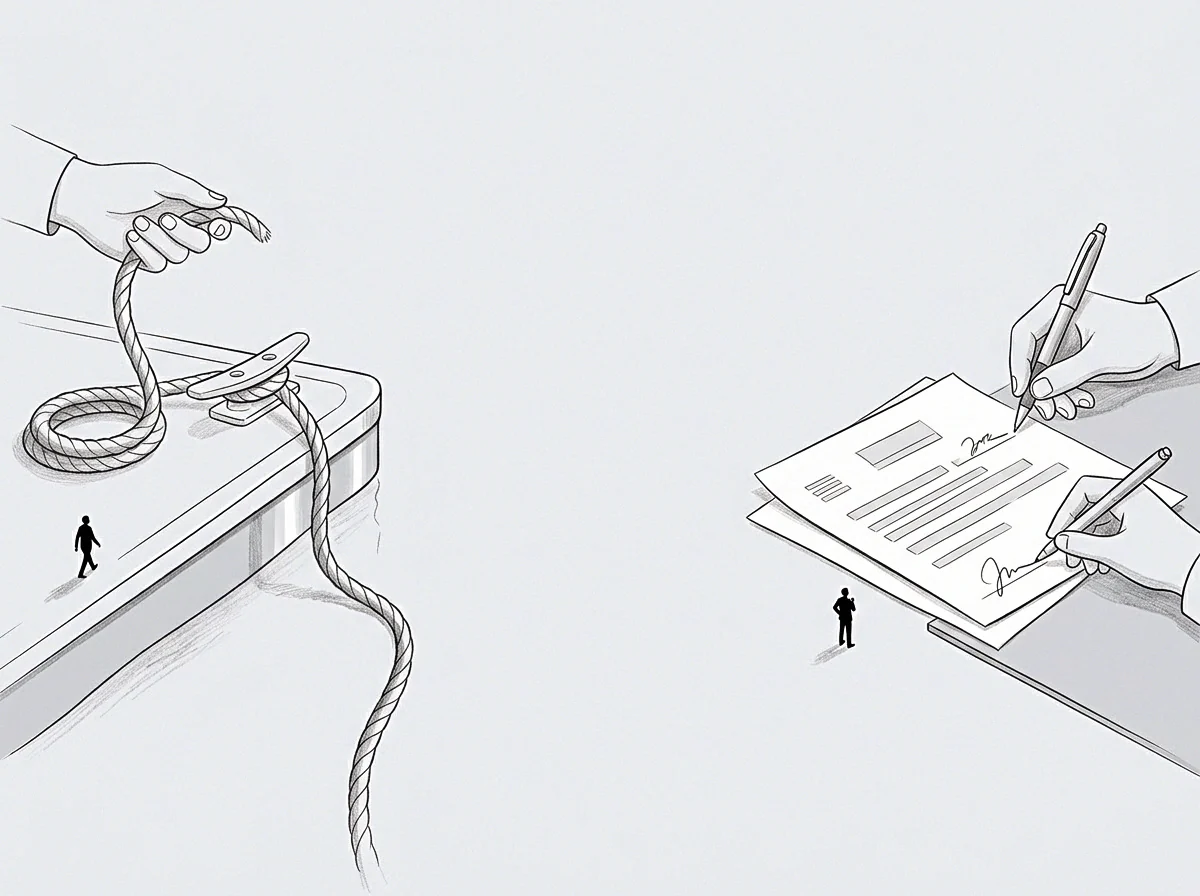
Documentation resulting from this session establishes a factual baseline that protects all involved parties against later disputes concerning verbal promises. A neutral party typically produces a summary document capturing every point of agreement reached during the exchange. This written artifact holds weight in potential future audits where the history of corporate control requires verification.
Operational Consequence
Institutional stability relies on the clarity established during these terminal discussions. When participants document the specific triggers for the termination of benefits or the surrender of voting proxies, the business reduces the likelihood of legal friction. These sessions act as a control mechanism that locks the separation terms into a predictable format.