Meaning
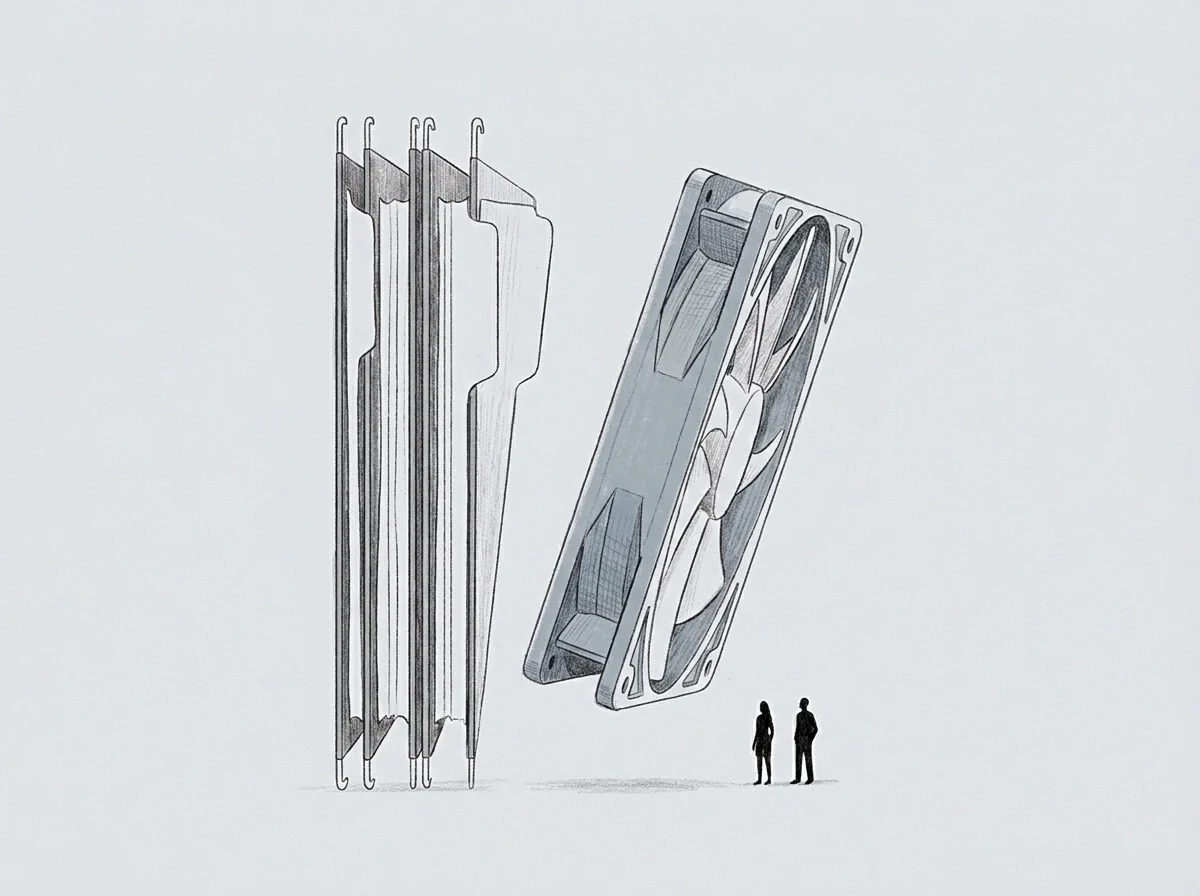
Internal friction arising from inefficient processes or redundant administrative requirements slows the primary work of an organization. The presence of operational drag is often felt in the increasing amount of time founders spend on maintenance rather than growth. It functions as a tax on the creative energy and focus of a startup.
Performance Loss
Complex approval chains and manual data entry are common sources of slowdown in a young company. When operational drag becomes high, the time taken to hire a new employee or approve a small expense grows until it hinders daily progress. This friction is recorded in the lengthening timelines for even basic administrative tasks.
Cumulative Delay
Small inefficiencies compound over time to create a significant barrier to expansion. If operational drag is not addressed, the organization eventually reaches a state where it can no longer innovate because all its capacity is used to maintain existing systems. The cost is seen in the high turnover of talented staff who become frustrated by the inability to get work done.
These individuals often leave for environments where the administrative burden is lower and the focus is on output. Fixing this requires a ruthless pruning of unnecessary meetings and redundant paperwork. The goal is to return the organization to a state where action is the default mode.
Optimal Efficiency
Lean processes that prioritize speed and clarity represent the opposite of an environment filled with friction. Reducing operational drag involves automating routine tasks and delegating authority to those closest to the work. Efficiency is measured by the ratio of productive work to administrative overhead.